Research
Cytoskeletal dynamics in cell migration and cancer invasion
The Juanes Lab studies how the cytoskeleton is remodeled during collective cell migration and cancer invasion — combining techniques from single-molecule biochemistry to advanced live-cell and super-resolution imaging, in models ranging from reconstituted proteins to mice. The lab uses function-separation mutants and a multi-scale approach, drawing on biochemistry, genetics, proteomics and cell biology alongside quantitative live imaging.
Research objectives
- Understanding the mechanisms underlying cytoskeleton remodeling events in collective cell migration, cancer invasion and metabolism.
- Identifying novel genetic signatures and/or biomarkers for the early detection of human cancers, to ultimately improve cancer diagnosis and assist in personalized therapy.
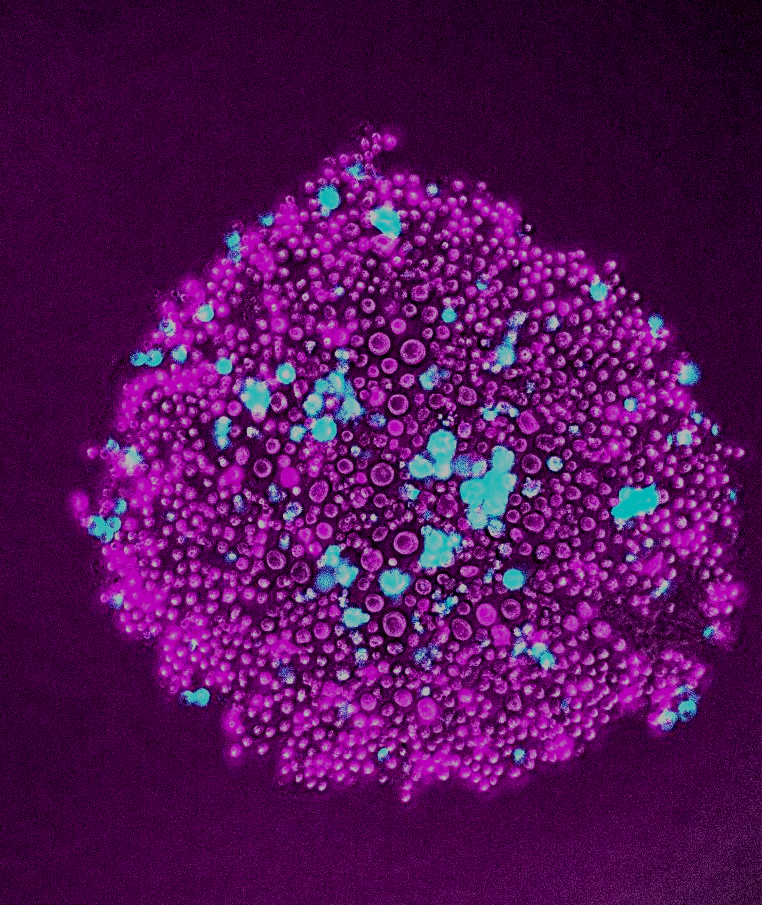
Cell migration and invasion
How the cytoskeleton controls cell adhesion and coordination during collective migration, and how this is subverted during cancer invasion.
Learn more →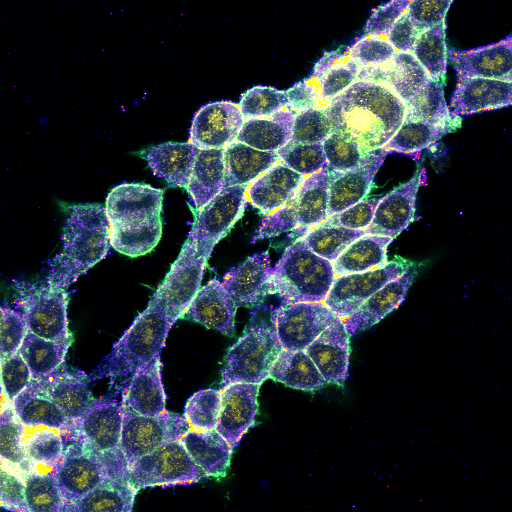
Early diagnosis
Novel genetic signatures and biomarkers for the early detection of human cancers, to improve diagnosis and personalized therapy.
Learn more →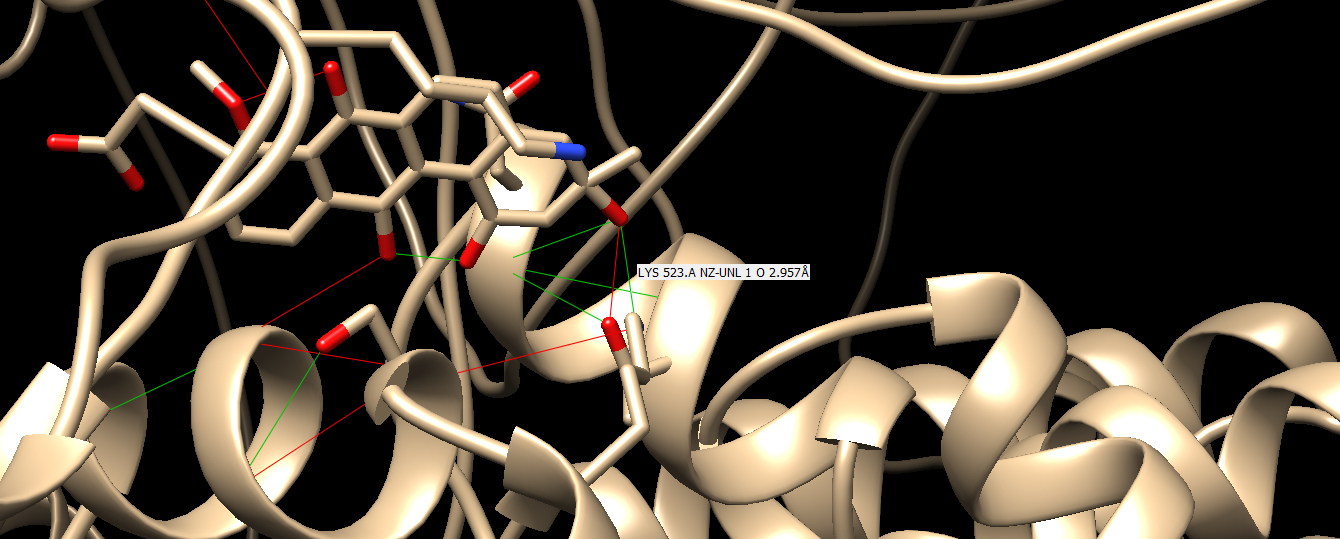
Drug discovery
AI-assisted, structure-based discovery of anticancer compounds, from in silico prediction to validation in cellular and animal models.
Learn more →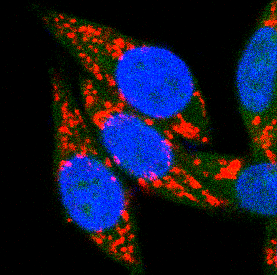
Cell metabolism
How the actin cytoskeleton relates to metabolic plasticity, and how cells respond energetically to stress.
Learn more →Funding and support
The lab's research is supported by competitive grants and fellowships from national and international funders and institutions. See the Projects page for the current list of grants.